
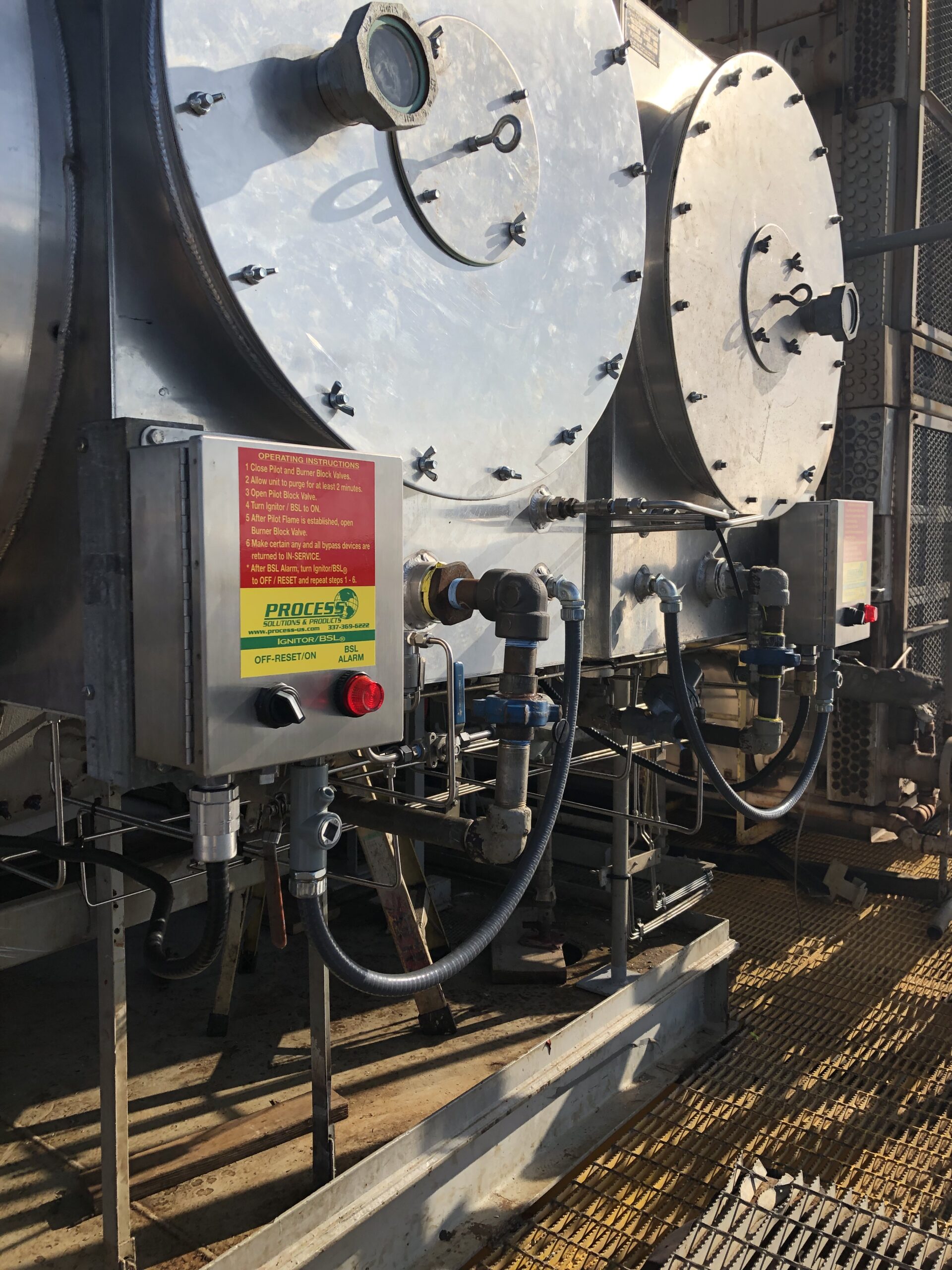
Burner Management Systems: Protecting Safety, Compliance, and Reliability in Industrial Operations
In industrial facilities where burners play a critical role in heating, processing, and production, safety and reliability cannot be left to chance. Burner Management Systems, commonly referred to as BMS, are the backbone of safe burner operation across oil and gas, petrochemical, power generation, and manufacturing environments. When properly designed, installed, and maintained, a BMS protects people, equipment, and production while ensuring compliance with industry codes and regulations.
At Process Solutions & Products, we work with customers every day who rely on burners for dehydration units, heaters, boilers, and other fired equipment. Whether troubleshooting an existing system or supporting a new installation, one thing is always clear: a properly functioning Burner Management System is not optional. It is a critical safeguard that directly impacts safety, uptime, and long-term operating costs.
This article explains what a Burner Management System does, why it matters, common challenges facilities face, and how proper testing and maintenance help ensure reliable operation.
What Is a Burner Management System?
A Burner Management System is a dedicated control system designed to monitor and manage the safe operation of burners and combustion equipment. Its primary purpose is to prevent unsafe conditions by controlling burner startup, operation, and shutdown while continuously monitoring flame presence and critical safety interlocks.
Unlike basic control systems that focus on process optimization, a BMS is strictly safety-oriented. It ensures that fuel is only introduced when safe conditions are met and that burners are immediately shut down if a hazardous condition is detected.
Typical functions of a Burner Management System include:
- Safe startup sequencing and purge verification
- Flame detection and monitoring
- Fuel valve control and interlocking
- Emergency shutdown logic
- Alarm and trip management
- Integration with process control systems
In many applications, the BMS operates independently from the main process control system to reduce risk and comply with safety standards.
Why Burner Management Systems Are Critical to Safety
Industrial burners operate with combustible fuels under high temperatures and pressures. Without proper safeguards, a single failure can lead to fires, explosions, equipment damage, and serious injury.
A Burner Management System is designed to eliminate or minimize these risks by enforcing strict safety logic. For example, the system verifies that airflow is sufficient before ignition, confirms pilot flame presence before opening main fuel valves, and shuts down fuel immediately if flame is lost.
From a safety standpoint, a properly functioning BMS helps:
- Prevent unburned fuel accumulation
- Reduce the risk of flashback or explosion
- Protect operators and maintenance personnel
- Safeguard critical assets and infrastructure
In regulated industries, these protections are not just best practices. They are mandatory.
Compliance and Industry Standards
Burner Management Systems are governed by recognized safety standards such as NFPA 85 and NFPA 86, as well as other industry and site-specific requirements. These standards outline how burners must be controlled, monitored, and protected to meet minimum safety thresholds.
Compliance is more than a paperwork exercise. Inspectors, insurers, and regulators expect systems to be designed and maintained according to these codes. Non-compliant systems can result in:
- Failed inspections
- Production delays or shutdowns
- Increased insurance premiums
- Liability exposure in the event of an incident
Facilities that treat BMS compliance as an ongoing responsibility, rather than a one-time project, are better positioned to operate safely and avoid costly disruptions.

Common Applications for Burner Management Systems
Burner Management Systems are used in a wide range of industrial applications, including:
- Oil and gas heaters and dehydrators
- Boilers and steam generation systems
- Thermal oxidizers and incinerators
- Furnaces and fired process equipment
- Power generation units
Each application has unique requirements, but the core safety principles remain the same. A well-designed BMS must be tailored to the specific burner configuration, fuel type, and operating environment.
Common Challenges with Existing BMS Installations
Many facilities operate with older Burner Management Systems that were installed years ago and modified over time. These systems often present challenges that can compromise safety or reliability.
Common issues include:
- Obsolete components that are difficult to replace
- Incomplete or outdated documentation
- Bypassed or defeated safety interlocks
- Inconsistent or unreliable flame detection
- Control logic that no longer aligns with current standards
In some cases, systems may still function but no longer meet current code requirements. Without regular testing and review, these gaps often go unnoticed until a failure or inspection forces corrective action.
The Importance of Testing and Maintenance
A Burner Management System is only effective if it operates exactly as designed. Regular testing and maintenance are essential to verify that all safety functions perform correctly under real-world conditions.
Proper BMS testing typically includes:
- Verifying startup and shutdown sequences
- Testing flame detection devices
- Confirming fuel valve operation and response times
- Checking safety interlocks and permissives
- Validating alarms and trip logic
Routine testing not only helps maintain compliance, it also builds confidence that the system will respond correctly during abnormal conditions.
Maintenance should be proactive rather than reactive. Addressing small issues early helps prevent larger failures that can lead to unplanned downtime or unsafe events.
Integration with Field Services and Support
Burner Management Systems do not exist in isolation. They are part of a larger ecosystem that includes instrumentation, electrical components, and mechanical equipment. Effective BMS support often requires field services that can address issues holistically.
At Process Solutions & Products, our field technicians support BMS installations by:
- Troubleshooting flame detection and control issues
- Supporting startups and commissioning
- Verifying wiring and instrumentation integrity
- Assisting with upgrades or system modifications
- Providing on-site testing and documentation
Having experienced field support ensures problems are resolved correctly the first time and helps customers maintain safe, reliable operations.
When to Evaluate or Upgrade Your Burner Management System
Facilities should consider evaluating their Burner Management System if any of the following apply:
- The system has not been tested or reviewed recently
- Equipment has been modified without updating safety logic
- Replacement parts are obsolete or unavailable
- Inspections or audits have identified deficiencies
- Operators lack confidence in system reliability
An evaluation does not always mean a full replacement. In many cases, targeted upgrades, documentation improvements, or testing programs can significantly improve system performance and compliance.
Building Long-Term Reliability and Confidence
A well-maintained Burner Management System provides more than safety. It supports operational confidence. Operators trust the system. Maintenance teams understand how it works. Management knows the facility is protected.
By investing in proper design, testing, and field support, facilities can reduce risk, improve uptime, and demonstrate a strong commitment to safety and compliance.
Process Solutions & Products partners with customers to support safe burner operation through experienced field services and practical, real-world solutions. Whether you are maintaining an existing system or planning future improvements, a strong Burner Management System is a foundation you cannot afford to overlook.